
True Metal
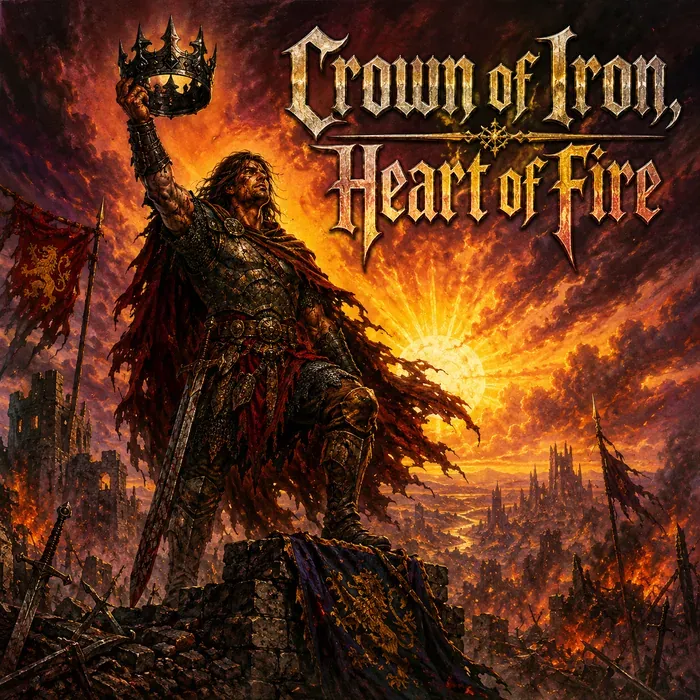
Crown of Iron, Heart of Fire
True metal and battle metal with galloping riffs, clean heroic vocals, choir-sized refrains, and a fantasy story about exile, loyalty, betrayal, and a crown that has to be earned the hard way.
- Tracks 14
- Length 55 min
Liner Notes
A short editorial read on the album world, sound, and standout moments.
About the Album
Crown of Iron, Heart of Fire knows exactly which metal shelf it belongs on. This is true metal and battle metal in the old sense: big clean vocals, galloping rhythm guitars, drums that sound built for a march, and choruses that want a room full of raised fists. The record does not try to be subtle. Its strength is that it treats that lack of subtlety as a craft choice, not as an excuse to blur everything into noise.
The story follows a warrior who inherits very little except loss. His home is gone, his family name is stained, and the old crown is no longer a symbol of comfort. Iron matters here because it is plain, heavy, and earned. That makes the album more interesting than a simple throne fantasy. The crown is not a prize waiting at the end of the road. It is the thing the character has to become worthy of carrying.
“Born Beneath the Hammer” and “Crown of Iron” set up the record’s main language: forge, oath, fire, and bloodline. “Ride Through the Ashen Gate” pushes the album into motion with the kind of forward drive that suits this style well. “Brothers of the Flame” works as the first real anchor point, because it shifts the focus from the lone hero to the people who stand with him. In this kind of metal, brotherhood can easily become a slogan; here it is part of the dramatic machinery.
The middle stretch gives the album its bite. “The Traitor’s Feast” brings the courtly poison into the story, while “Steel Never Kneels” answers it with a more direct kind of defiance. “Blood on the Banner” and “Oath of the Broken Blade” are darker because they understand that honor is expensive. The best moments in this section do not make war feel clean. They let the banners, blades, and vows carry some damage.
By the time “The Throne Beneath the Mountain” and “March of the Fallen Kings” arrive, the album has moved from battlefield drama into legend. Those tracks give the story a deeper shadow, as if the hero is walking through a history that was already old before he entered it. “By Sword and Sacred Fire” and “Storming the Usurper’s Hall” then bring the record back to the front line, with the sharper, more urgent energy the final act needs.
“Heart of Fire” is the important turn. The album could have stopped at victory, but this song makes the crown depend on restraint as much as courage. That is a very traditional heavy metal idea, and a good one: power is only worth singing about when it has a moral weight. “Raise the Iron Crown” closes the arc in the expected grand style, but the fallen are still present in the room. The triumph lands better because the record has kept track of what it cost.
Musically, Crown of Iron, Heart of Fire is for listeners who enjoy melodic heavy metal storytelling, clear vocal lines, ceremonial choirs, and riffs that move like riders over burned ground. It is not trying to modernize the form. It is more interested in using the classic vocabulary well: steel, fire, oath, betrayal, grief, and one chorus after another built to be remembered.
Created, curated, and produced as an AI-assisted music project by Melody Mind Music.
Production Notes
All tracks were generated with AI music models, then processed for the final sound. No human performance recordings are used.
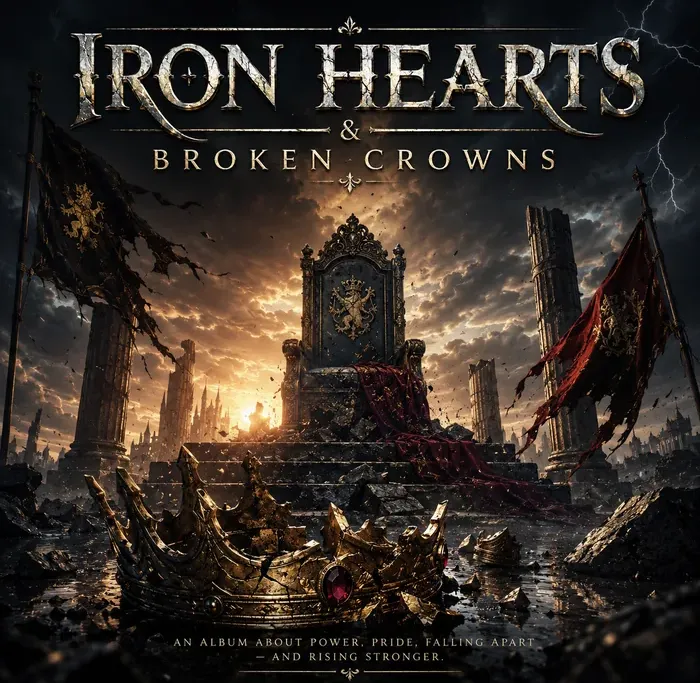
Iron Hearts & Broken Crowns
Iron Hearts & Broken Crowns is melodic hard rock with arena-sized choruses, thick guitars, wounded vocals, and a story about pride, collapse, lost love, and learning how to stand again without the crown.
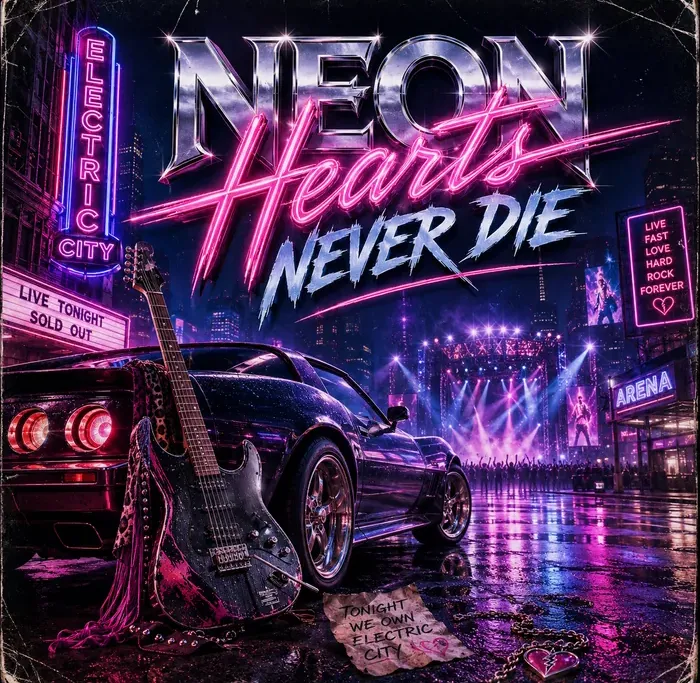
Neon Hearts Never Die
Hair metal with big guitars, bright choruses, lipstick, radios, stage lights, and enough road-worn feeling to keep the neon from turning hollow.

Azúcar y Ceniza
Afro-Cuban jazz shaped around sweetness and loss. Piano, brass, percussion, and smoke-lit melodies move through romance without sanding off the ache.
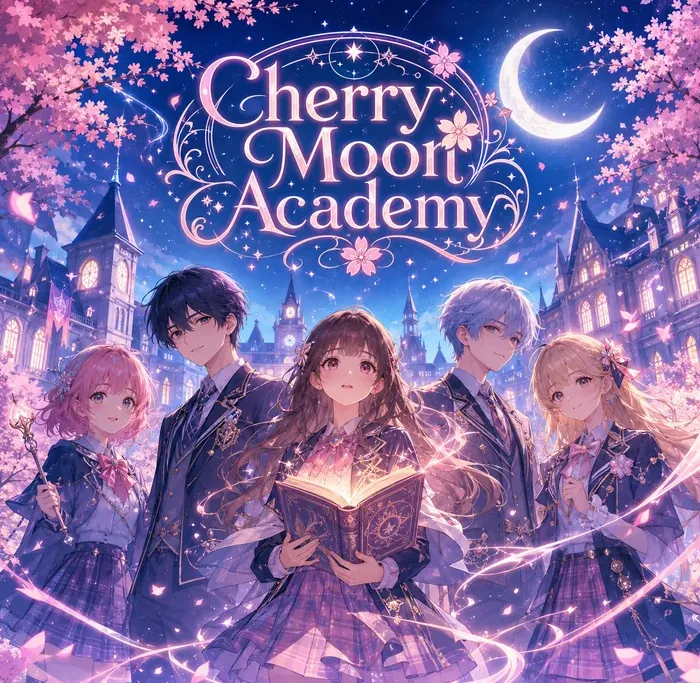
Cherry Moon Academy
Cherry Moon Academy is a Korean school-pop album with K-pop brightness, anime-pop lift, clean guitars, pastel synths, and a small magical-realist story about students turning friendship, first love, farewell, and courage into songs.