
Mexican Pop
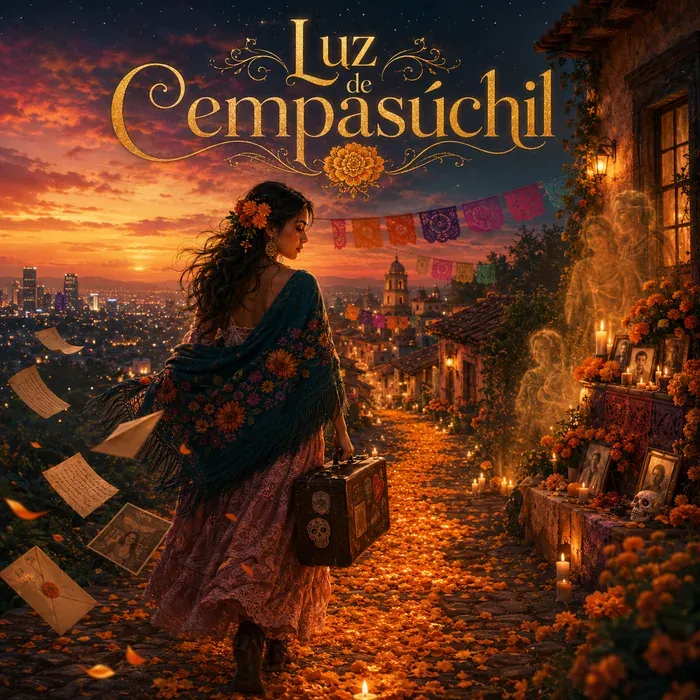
Luz de Cempasúchil
A Mexican pop and Latin ballad record in Spanish, built on nylon guitar, piano, and trumpet. A woman travels from the city back to her village for Día de Muertos and reads her way through a drawer of old letters.
- Tracks 14
- Length 36 min
Liner Notes
A short editorial read on the album world, sound, and standout moments.
About the Album
Luz de Cempasúchil is a record about going back. A woman leaves the city where she has built her adult life and travels to the village she came from, arriving in the days before Día de Muertos. The album follows her on that trip and the quiet reckoning that happens once she is in the old house again.
The songs are in Spanish, sung by a female lead, and the band sits somewhere between Latin ballad and mariachi-pop. Nylon guitar and piano carry most of the weight. Trumpets come in when the mood asks for them, never when it doesn’t. Strings stay low until late in the record. Nothing is rushed.
The narrative builds through small objects more than big statements: a paper suitcase, a trail of marigolds, letters tucked away in a kitchen drawer, a photograph on an altar. The letters do most of the work. They tell the story the family did not tell out loud — a romance that was broken off, a migration north, decisions a mother made and never explained. The protagonist reads them and starts to understand her grandmother, and then her own mother, in a different light.
Día de Muertos is treated the way people who grew up with it actually treat it: not as a gothic holiday, not as a metaphor for grief, but as a yearly conversation with people who are gone. The altar is a place where you talk. The marigolds are how the dead find their way back to the house. The record takes that at face value.
The arrangements get fuller as the story moves inward. The opening tracks are sparse and a little cold, matching the city. By the time the protagonist is in the village, the band has filled in — percussion, trumpet, choir vocals on the choruses. The last song closes quietly, with the idea that home is something you carry in the names you keep saying out loud.
Production Notes
All tracks were generated with AI music models, then processed for the final sound. No human performance recordings are used.
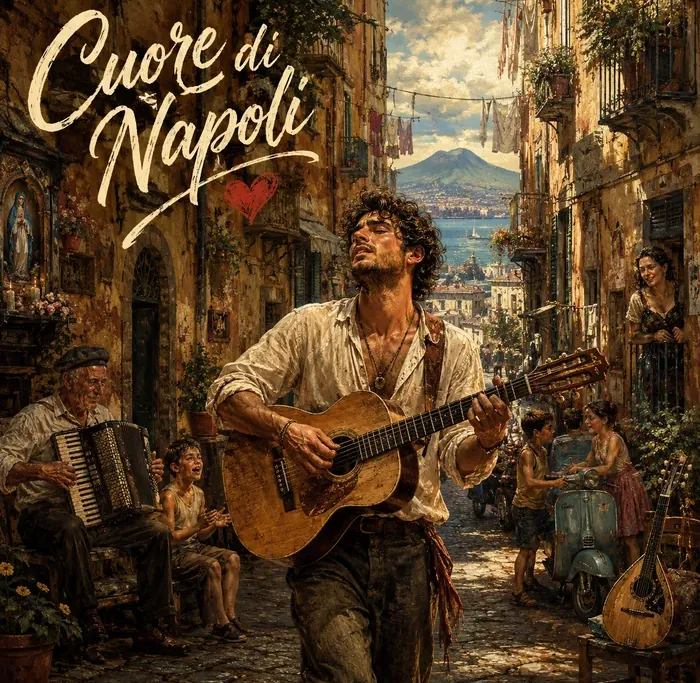
Cuore di Napoli
Cuore di Napoli is Italian folk pop with mandolin, accordion, acoustic guitar, tamburello rhythm, and a street-level story about family, poverty, love, pride, and a young musician learning what his city has given him.
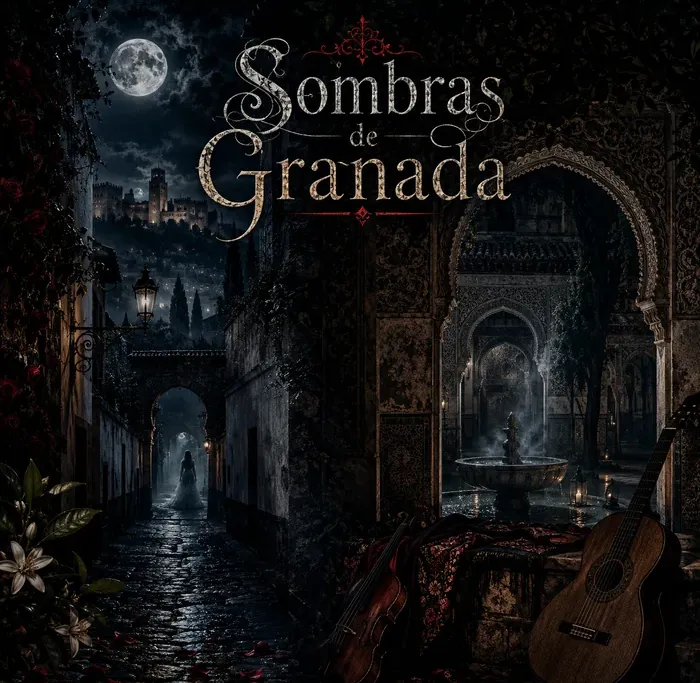
Sombras de Granada
Sombras de Granada is dark Spanish-language folk rock with gothic weight: nylon guitars, shadowed percussion, violin, heavy riffs, and a night-walk story where Granada becomes memory, lover, ghost, and city at once.
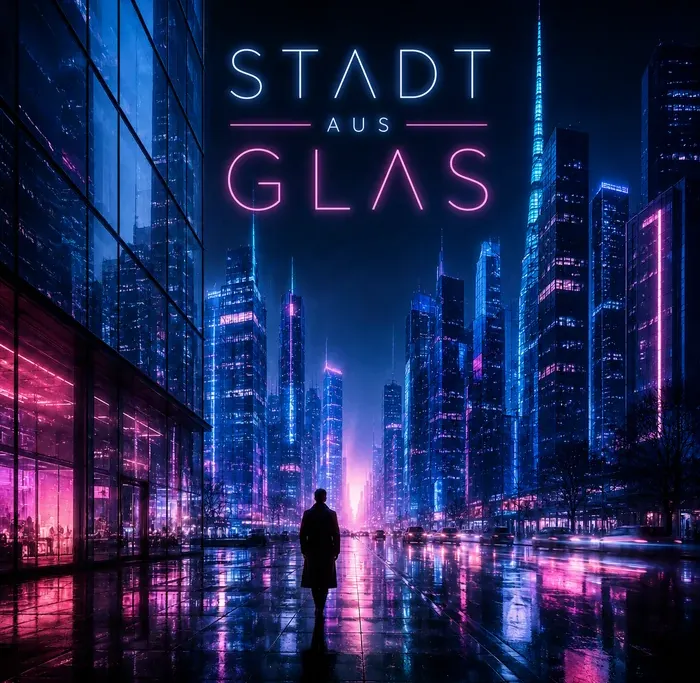
Stadt aus Glas
Stadt aus Glas is German-language synth-pop with an NDW afterimage: cool drum machines, pulsing sequencers, rain-lit city scenes, and songs about trying to stay human inside a bright, distant, overconnected world.

Neon Hearts Never Die
Hair metal with big guitars, bright choruses, lipstick, radios, stage lights, and enough road-worn feeling to keep the neon from turning hollow.