
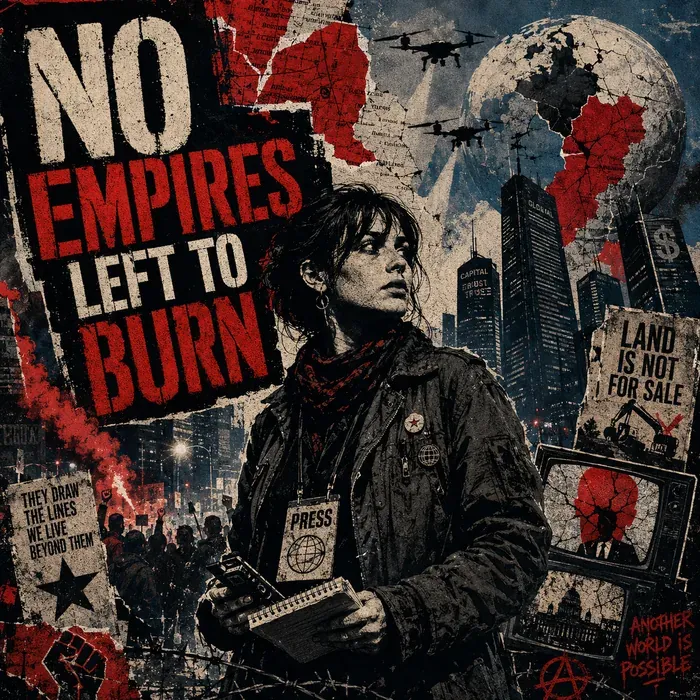
Political Punk
No Empires Left to Burn
No Empires Left to Burn is political punk and post-punk with raw guitars, nervous basslines, dry drums, sirens, news fragments, and a journalist’s view of maps, borders, trade wars, annexation fantasies, and resistance.
- Tracks 14
- Length 53 min
Liner Notes
A short editorial read on the album world, sound, and standout moments.
About the Album
No Empires Left to Burn is political punk with the romance scraped off. The album follows a young journalist through a world where old imperial habits have learned modern language: contracts, television panels, trade threats, market panic, security briefings, and maps drawn by people who will never live inside the lines.
The sound is tense and urban: raw guitars, post-punk bass, dry drums, gang vocals, siren bursts, broken synths, and news fragments used like shrapnel. It does not need polish. The record works when it feels like it was assembled between a newsroom, a protest march, and a street where the smoke has not cleared.
“Press Card in the Ashes” gives the album its witness. The journalist is not a savior; she is someone trying to keep looking when power would prefer distance. “Maps Are Not Yours” and “Empire in a Suit” sharpen the target early. The record is not only angry at violence. It is angry at the clean vocabulary that makes violence sound administrative.
“Greenland Burns Cold,” “Panama Ghostline,” and “The 51st Lie” move through specific symbols of strategy, resource hunger, trade routes, and annexation fantasy. The songs are most effective when they treat geography as lived reality rather than board-game space. Land is not abstract when people have homes, graves, languages, and weather inside it.
The middle stretch brings the cost down to human size. “Borders Have Blood” looks at fences, checkpoints, and displacement. “Trade War Hymn” turns economic pressure into empty tables and lost work. “Flag Merchants” is a useful piece of punk contempt: anger packaged, sold, and waved back at the people being used by it.
“No King Across the Sea” and “Small Nations, Big Shadows” give the album its clearest anti-imperial spine. They are about scale, pressure, and refusal. The best line of thought arrives in “You Can’t Annex a Soul,” because it cuts through the machinery. Territory can be threatened; memory and identity do not obey a signature.
“Sirens Over the Stock Exchange” ties markets, weapons, panic, and profit into one ugly system. By the time “No Empires Left to Burn” closes the record, there is no clean victory to announce. That is the right ending. The album is not asking for a new empire with better branding. It is asking why so many people still have to survive the old idea that power gives anyone the right to own the world.
Production Notes
All tracks were generated with AI music models, then processed for the final sound. No human performance recordings are used.
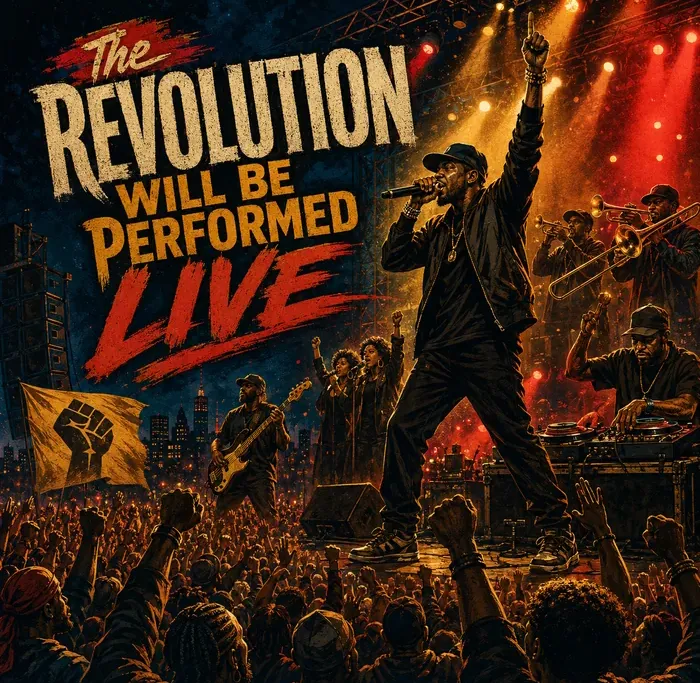
The Revolution Will Be Performed Live
The Revolution Will Be Performed Live is political hip-hop staged as an open-air protest concert: live drums, funk bass, brass, DJ scratches, crowd chants, and rap verses aimed at corruption, fear politics, paywalls, war profit, and public resistance.
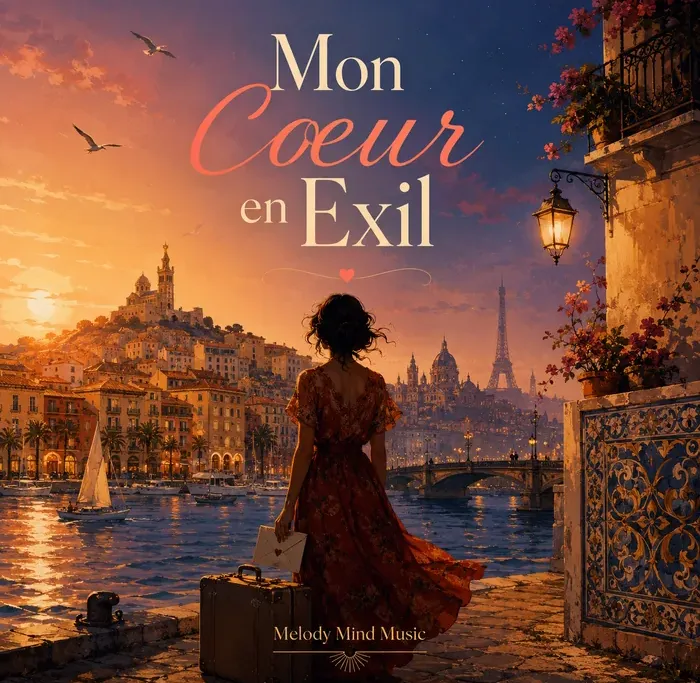
Mon Cœur en Exil
Mon Cœur en Exil is French pop with Mediterranean warmth: nylon guitar, accordion, soft percussion, strings, and a story about distance, language, homeland, and love carried between Marseille, Barcelona, Algiers, and Paris.
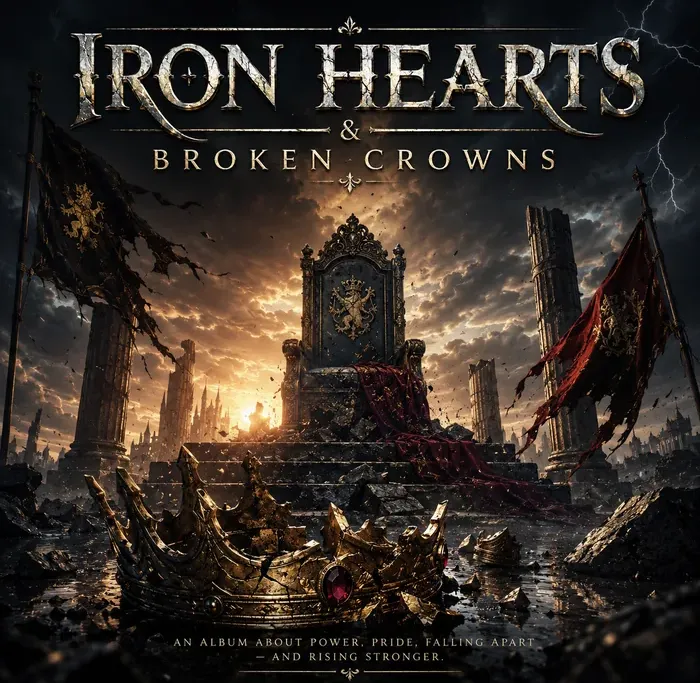
Iron Hearts & Broken Crowns
Iron Hearts & Broken Crowns is melodic hard rock with arena-sized choruses, thick guitars, wounded vocals, and a story about pride, collapse, lost love, and learning how to stand again without the crown.
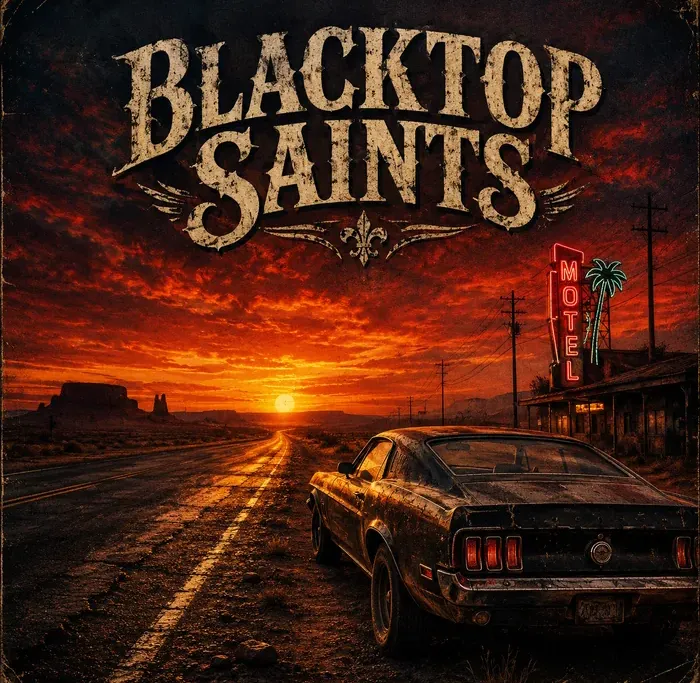
Blacktop Saints
Blacktop Saints is a hard rock road record about people who leave town because staying would finish them. Gritty guitars, raspy vocals, bluesy leads, motel light, bad decisions, and stubborn loyalty carry the album from escape toward something close to mercy.