
Viking Metal
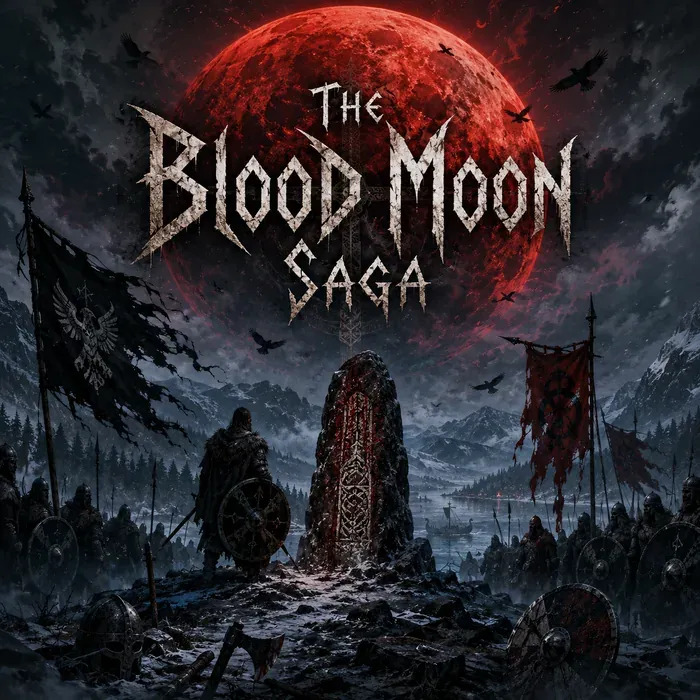
The Blood Moon Saga
The Blood Moon Saga is dark Viking metal with blackened folk weight, harsh vocals, ritual drums, cold guitars, deep choirs, and a blood-feud story where a red moon is mistaken for a command instead of a warning.
- Tracks 14
- Length 50 min
Liner Notes
A short editorial read on the album world, sound, and standout moments.
About the Album
The Blood Moon Saga is Viking metal with the triumph drained out of it. The album has the expected force: harsh vocals, blackened guitar bite, ritual drums, low choirs, and folk color that feels carved out of weather rather than placed on top. What gives the record its shape is not victory. It is the slow realization that an omen has been read the wrong way.
The story begins with a red moon over the fjords and two clans eager to make meaning from it. They see command where there may only be warning. That is the album’s strongest dramatic idea. The blood moon does not create the feud; it gives old hatred permission to sound sacred. From there, every oath and battle chant carries a second meaning. The clans think they are answering the gods, but they may only be repeating themselves.
“Omen Over the Fjord,” “Ashes of the Betrayer,” “Feast of Wolves,” and “Blood Oath at Dawn” set the first movement in motion. The music needs to feel physical here, and it does: drums like marching feet, guitars that cut cold rather than simply crush, and voices built for a hall where nobody has come to forgive anyone. The early songs understand the appeal of revenge before they start dismantling it.
The middle section is where the album earns its darkness. “The Raven Banner Falls,” “Red Spears in the River,” and “The Burning of White Harbor” shift the record from war fever into consequence. The images are still mythic, but the damage becomes practical: bodies in water, homes burning, symbols losing their authority. Honor starts to look less like a virtue and more like a story people tell so they can keep killing.
“Seeress of the Black Pines” and “No Gods in the Red Sky” give the saga its turn. The seeress does not make the album softer; she makes it more severe. Her role is to strip the war of its excuse. The red moon was never a blessing, never a promise of victory, never a divine appetite for blood. It was a sign that the clans were already close to destroying themselves.
The final stretch leaves very little room for glory. “Sons of the Final Winter,” “When the Longships Sink,” “The Last Clan Standing,” and “Beneath a Moon Without Blood” sound like a world running out of witnesses. The best choice here is restraint: no feast, no clean heroic reward, no easy catharsis. The saga closes with recognition, not rescue. The clans were warned, and they failed to listen.
The Blood Moon Saga works as a dark Viking metal record because it treats scale as moral pressure. The choirs, drums, and blackened riffs are large, but the subject is narrow and human: inherited hatred, ritualized pride, and the terrible comfort of believing violence has been approved by something higher than yourself.
Production Notes
All tracks were generated with AI music models, then processed for the final sound. No human performance recordings are used.
Echoes of Ragnarok
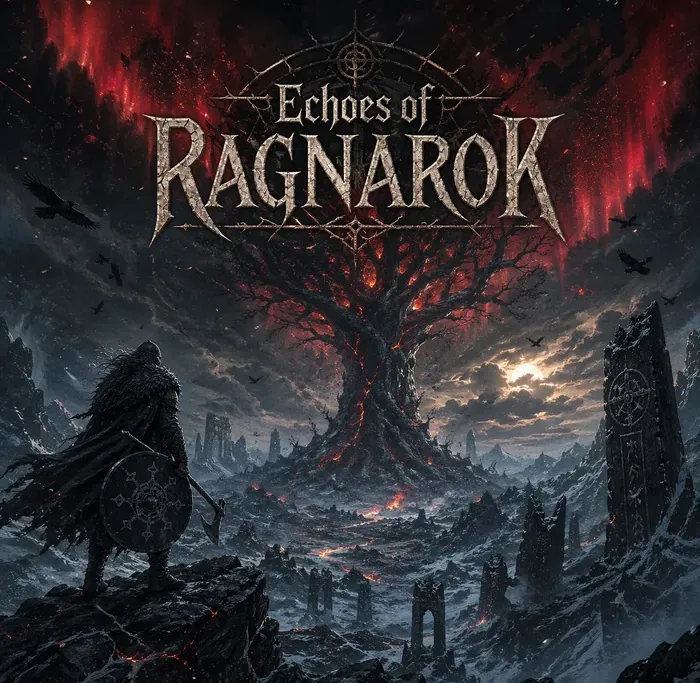
Viking metal at the edge of mythic ruin, driven by massive riffs, dark folk color, and choirs that sound more mournful than victorious.
The Mead Hall Oath
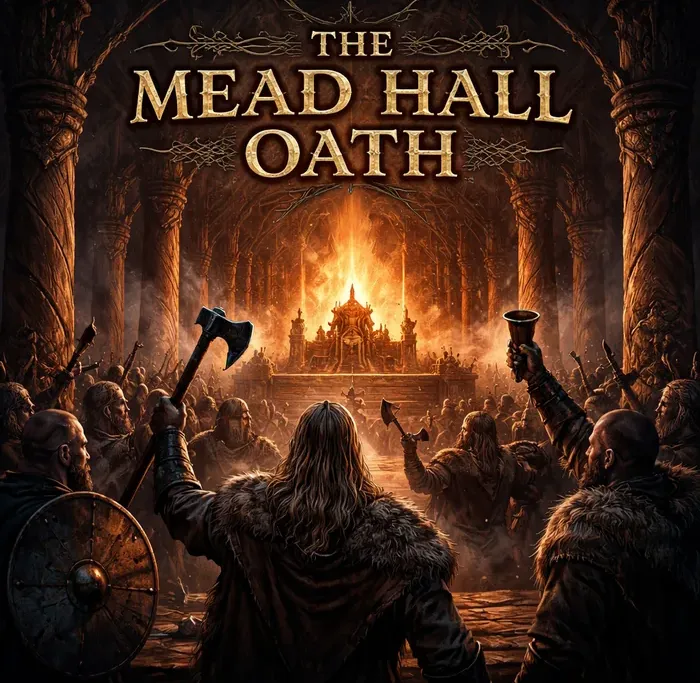
Viking metal for firelit halls, sworn loyalty, ale, iron, betrayal, and the kind of chorus meant to be shouted with other people.
Ashes of Midgard
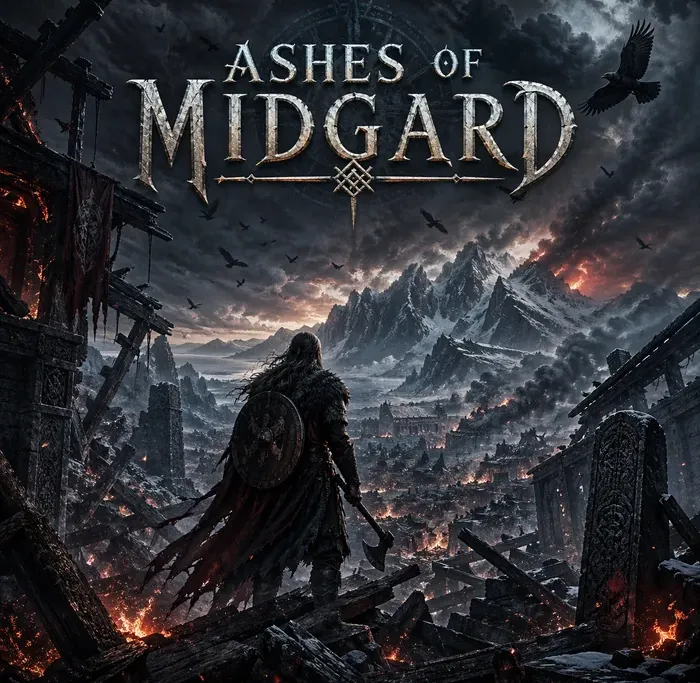
Viking metal with a scorched, end-of-the-world tone: heavy guitars, grim choirs, battle drums, and folk colors used for weight rather than decoration.
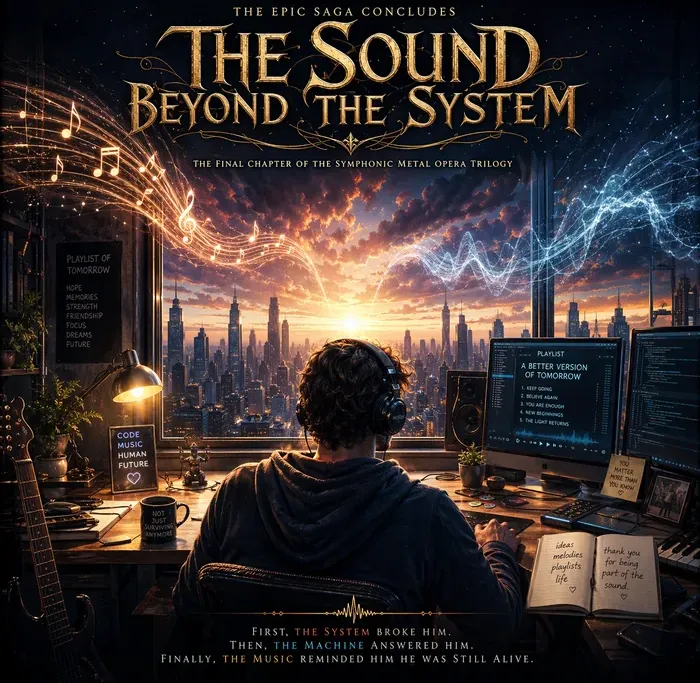
The Sound Beyond the System
A warmer metal opera about rediscovering music after work has narrowed life too much. Heavy guitars meet hope, small projects, and late-night signals.