
Symphonic Metal
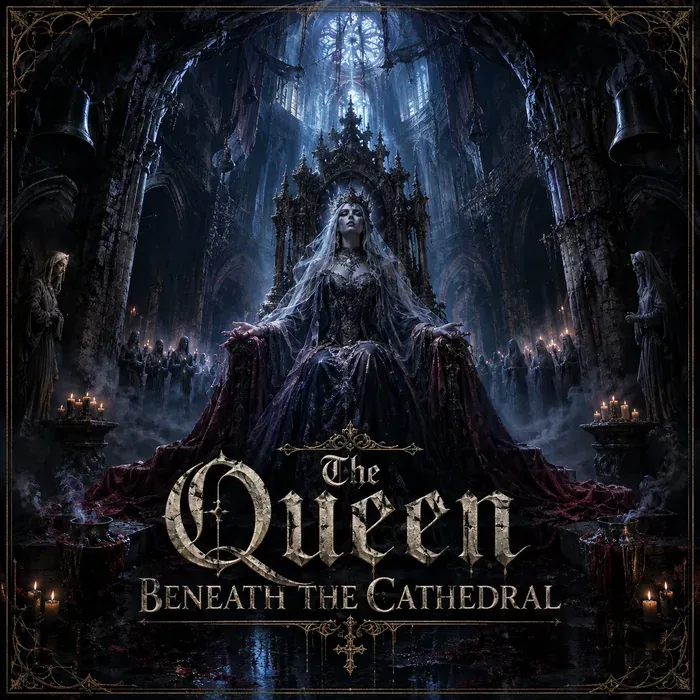
The Queen Beneath the Cathedral
The Queen Beneath the Cathedral is dark symphonic metal built from heavy guitars, operatic female vocals, church organ, choirs, and a buried-kingdom story where sacred architecture hides political betrayal.
- Tracks 14
- Length 56 min
Liner Notes
A short editorial read on the album world, sound, and standout moments.
About the Album
The Queen Beneath the Cathedral understands one of symphonic metal’s oldest strengths: architecture can be musical. The album is full of stone, bells, crypts, organ tones, and choirs that seem to rise from below the floor. That setting gives the record its shape. The cathedral is not background decoration. It is a machine for hiding power.
The story follows a queen erased by the institutions that should have protected her. Above ground, history says she is dead. Beneath the cathedral, she remains tied to a buried kingdom, somewhere between ruler, ghost, saint, and accusation. That gives the album a stronger center than simple dark fantasy. The drama is not only that she rises again. It is that her return exposes the lie built over her.
Musically, the record sits in gothic symphonic metal: heavy guitars, operatic female vocals, church organ, choir pressure, and strings used for weight rather than shine. “Bells Beneath the Stone” is a fitting opening because it starts with sound as evidence. Something below is moving before anyone is ready to name it. “The Buried Queen Rises” then brings the album into its full scale, with the vocal line carrying both command and wound.
“Crown of Dust and Holy Fire” and “The Bishop’s Knife” give the concept its sharper edge. The record works best when holiness and politics become hard to separate: candles, altars, crowns, documents, and blades all belong to the same system. “Choir of the Buried Saints” and “Seven Candles for a Dead Kingdom” deepen that idea by making memory sound communal. The queen is not the only one trapped under the official story.
The middle stretch has the best gothic patience. “Under Marble Wings” lets grief sit in the architecture, while “Rise, My Forgotten Throne” gives the album the kind of grand gesture the genre needs. The difference is that the throne does not feel clean. It comes covered in dust, accusation, and years of silence.
In the second half, the songs turn from awakening to reckoning. “The Crypts Remember Her Name” and “Veil of Sainted Lies” are built around discovery: names kept below ground, truths polished out of public ritual, and a sacred space that has been protecting a crime. “Cathedral of Ashes” brings destruction, but the more interesting movement is moral. The building loses its authority before it loses its walls.
“The Last Mass of Midnight” is the album’s natural climax, because it brings queen, choir, priest, and buried history into the same room. “When the Dead Queen Sings” and “Beneath the Final Bell” do not turn the ending into easy triumph. The queen has a voice again, but the songs understand that truth does not restore what was taken. It only makes the silence impossible to keep.
Production Notes
All tracks were generated with AI music models, then processed for the final sound. No human performance recordings are used.
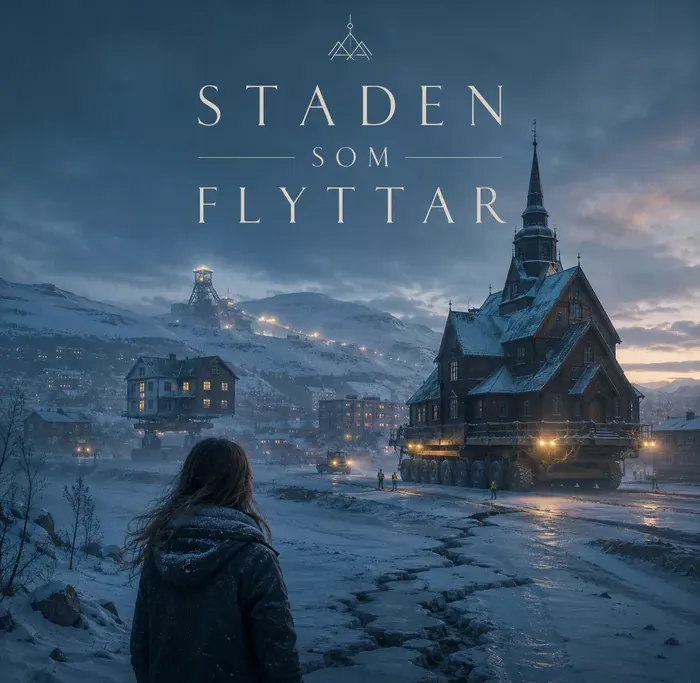
Staden Som Flyttar
Staden Som Flyttar is a Swedish-language cinematic Nordic pop album about a mining town that has to move, and about the families who carry memory from one address to another. Reverb guitars, cold synths, deep drums, strings, and industrial textures frame a story of cracks, maps, machines, graves, and new windows in the dark.
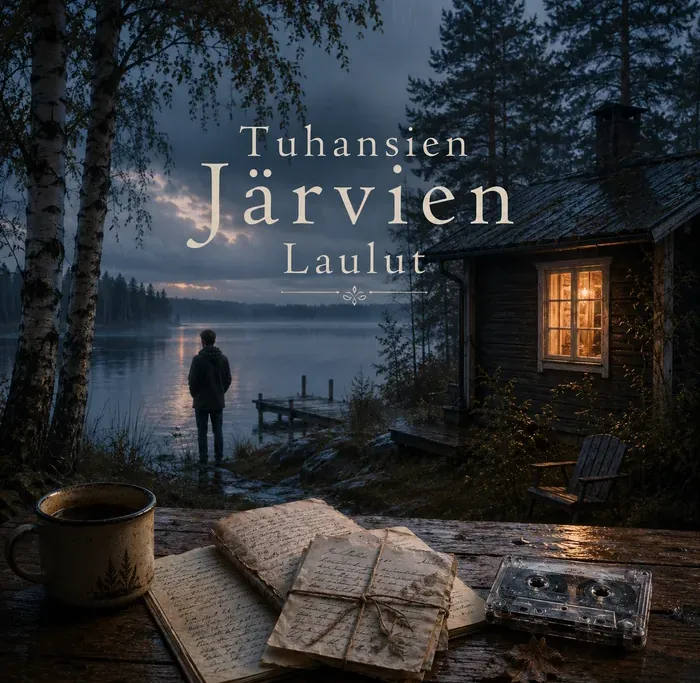
Tuhansien Järvien Laulut
Tuhansien Järvien Laulut is a Finnish folk rock album about returning from Helsinki to an old lakeside cottage after a family loss. Acoustic guitars, piano, restrained drums, lake ambience, rain, cassette hiss, and quiet vocals carry a story of memory, grief, silence, and inherited tenderness.
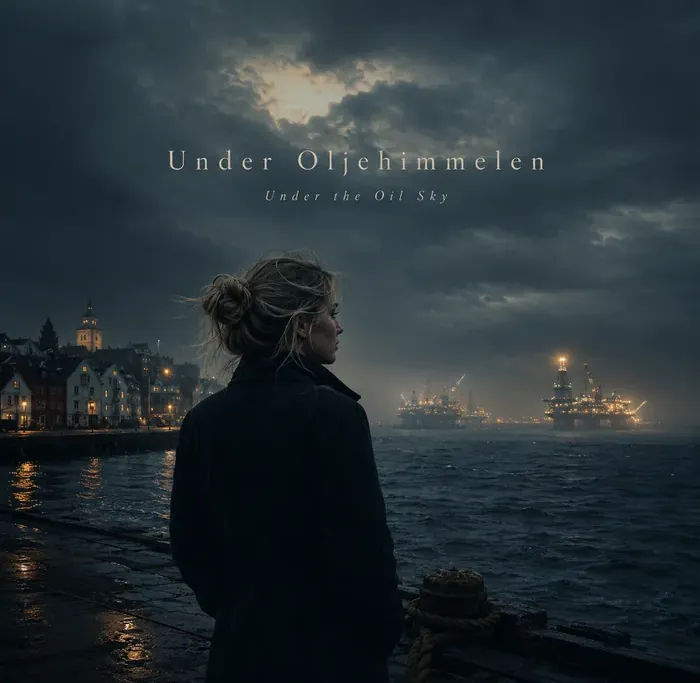
Under Oljehimmelen
Under Oljehimmelen is a Norwegian-language Nordic dark pop album about a family shaped by offshore work, oil money, climate guilt, and the sea. Cold synths, slow drums, deep guitars, strings, and coastal atmosphere frame a story where love for a father meets doubt about the world that paid the bills.
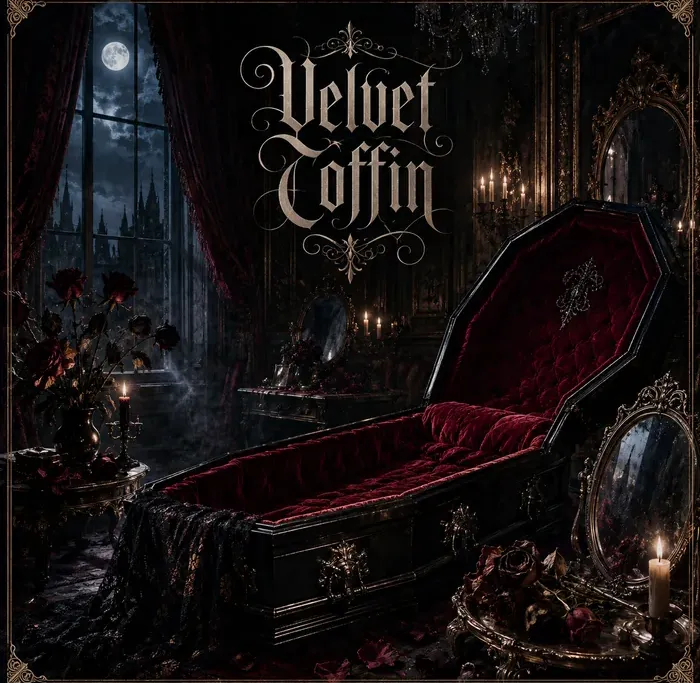
Velvet Coffin
Velvet Coffin is a dark romantic gothic rock and post-punk album about a relationship that stays beautiful long after it has become unlivable. Driving bass, dry drums, shadowed guitars, darkwave textures, and low-lit vocals carry a story of desire, control, memory, and escape.