
Melancholic Folk Rock
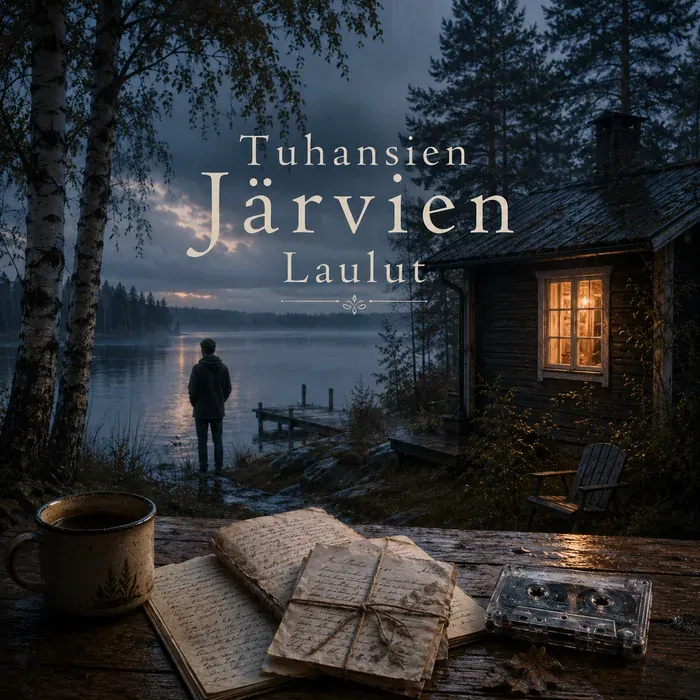
Tuhansien Järvien Laulut
Tuhansien Järvien Laulut is a Finnish folk rock album about returning from Helsinki to an old lakeside cottage after a family loss. Acoustic guitars, piano, restrained drums, lake ambience, rain, cassette hiss, and quiet vocals carry a story of memory, grief, silence, and inherited tenderness.
- Tracks 14
- Length 52 min
Liner Notes
A short editorial read on the album world, sound, and standout moments.
About the Album
Tuhansien Järvien Laulut begins with departure, not arrival. “Helsingin Valot Sammuvat” lets the city lights go out before the album reaches the cottage, and that is the right order for this kind of record. The noise has to fall away first. Only then can the lake, the kitchen, the old key, and the family silence start to sound loud enough.
The album is Finnish folk rock in a quiet register: acoustic guitars, soft piano, slow drums, low electric swells, and field textures that feel close to wood, water, rain, and tape. It does not chase a grand landscape postcard. The details are smaller and better for it. “Mökin Avain” is a key in the hand, not a symbol that needs explaining. “Järvi Ei Kysy” understands the lake as an old listener, indifferent but steady.
“Kasettinauha Keittiössä” gives the album one of its most lived-in images. A cassette in a kitchen is modest, almost plain, but it carries a whole house with it: voices, pauses, room tone, the sound of someone who did not know they were leaving evidence behind. “Sodan Lapset Nukkuvat” reaches further back into family memory, where childhood and war sit uncomfortably close. The song does not need to make history large. It is already large enough inside one family.
The middle section moves through love as something practical and restrained. “Ensimmäinen Kevät” opens a little warmth after the winter of loss, while “Kylmä Kihlaus” keeps romance from becoming soft-focus nostalgia. “Sade Peltikatolla” is exactly the kind of title this album needs: weather made domestic, grief made audible. You can almost hear the roof doing the talking for people who never learned how.
“Mäntyjen Varjossa” and “Sininen Tupa” bring the record deeper into place. Pines, a blue cottage, lake light, and old rooms are not just scenery here; they are the archive. “Hiljainen Perintö” names the album’s real subject, the inheritance that does not arrive as money or instruction but as silence, habit, withheld affection, and gestures repeated before anyone remembers who started them.
“Kirje Jota En Lähettänyt” is the emotional center of the final stretch. An unsent letter fits this record perfectly because it is both speech and refusal. “Kun Jää Sulaa” then gives the album its thaw, not as an easy release but as a slow change in pressure. By “Viimeinen Soutu,” the farewell has become physical: one last row across the water, one last act that says what the family could not.
Tuhansien Järvien Laulut is strongest when it trusts quiet objects. A cassette, a cottage key, a metal roof, a pine shadow, a letter left unsent. The album does not turn grief into spectacle. It lets it sit at the kitchen table until the room starts answering back.
Production Notes
All tracks were generated with AI music models, then processed for the final sound. No human performance recordings are used.
Staden Som Flyttar
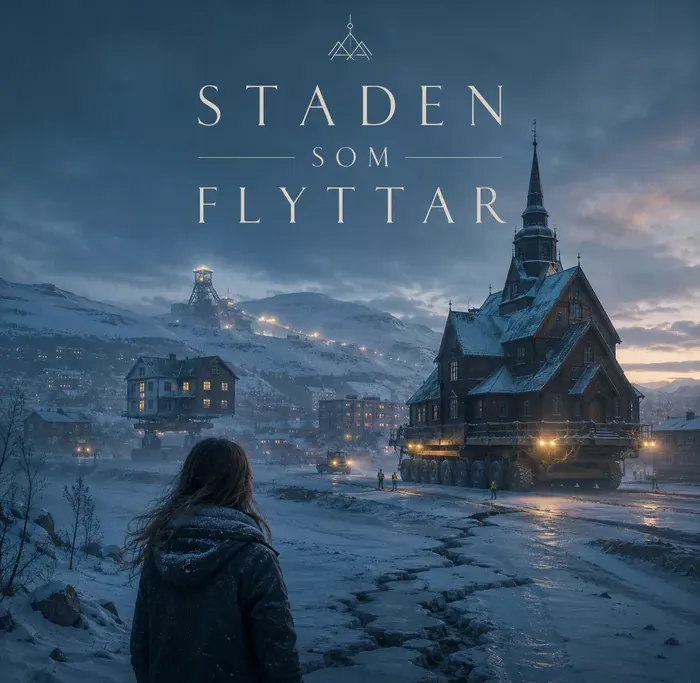
Staden Som Flyttar is a Swedish-language cinematic Nordic pop album about a mining town that has to move, and about the families who carry memory from one address to another. Reverb guitars, cold synths, deep drums, strings, and industrial textures frame a story of cracks, maps, machines, graves, and new windows in the dark.
Under Oljehimmelen
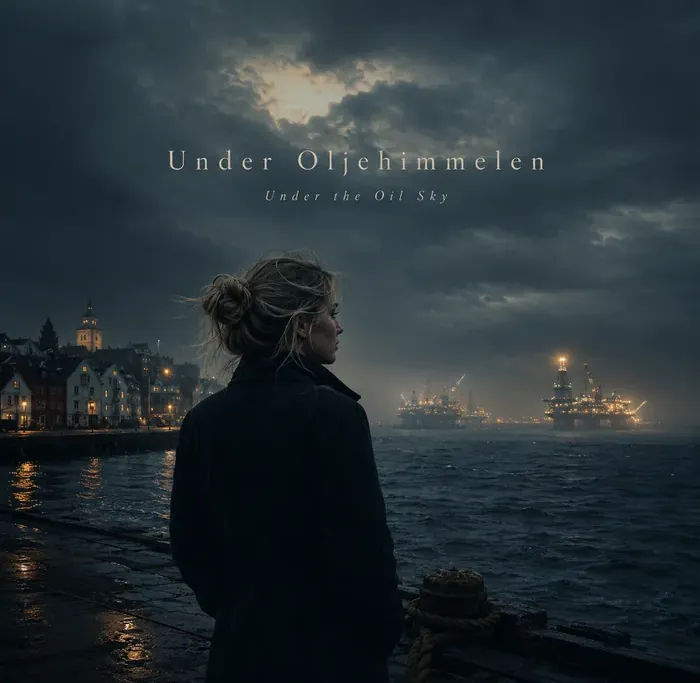
Under Oljehimmelen is a Norwegian-language Nordic dark pop album about a family shaped by offshore work, oil money, climate guilt, and the sea. Cold synths, slow drums, deep guitars, strings, and coastal atmosphere frame a story where love for a father meets doubt about the world that paid the bills.
Velvet Coffin
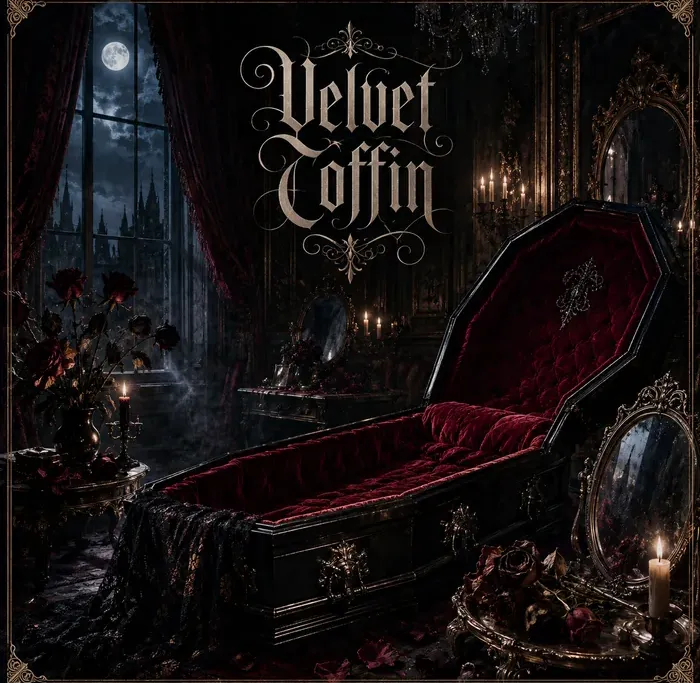
Velvet Coffin is a dark romantic gothic rock and post-punk album about a relationship that stays beautiful long after it has become unlivable. Driving bass, dry drums, shadowed guitars, darkwave textures, and low-lit vocals carry a story of desire, control, memory, and escape.

The Revolution Will Be Performed Live
The Revolution Will Be Performed Live is political hip-hop staged as an open-air protest concert: live drums, funk bass, brass, DJ scratches, crowd chants, and rap verses aimed at corruption, fear politics, paywalls, war profit, and public resistance.